



























































































GOATY's Unifying Drill - Everything in One Drill
Sorry, you need to be a member to access this video.
You Are Just Seconds Away - Become a member here!
Already a member? Log in now

Try a free live lesson with GOATY
GOATY, my AI golf coach, watches your swing through your phone camera and coaches every rep. Free, about 20 minutes, no credit card.
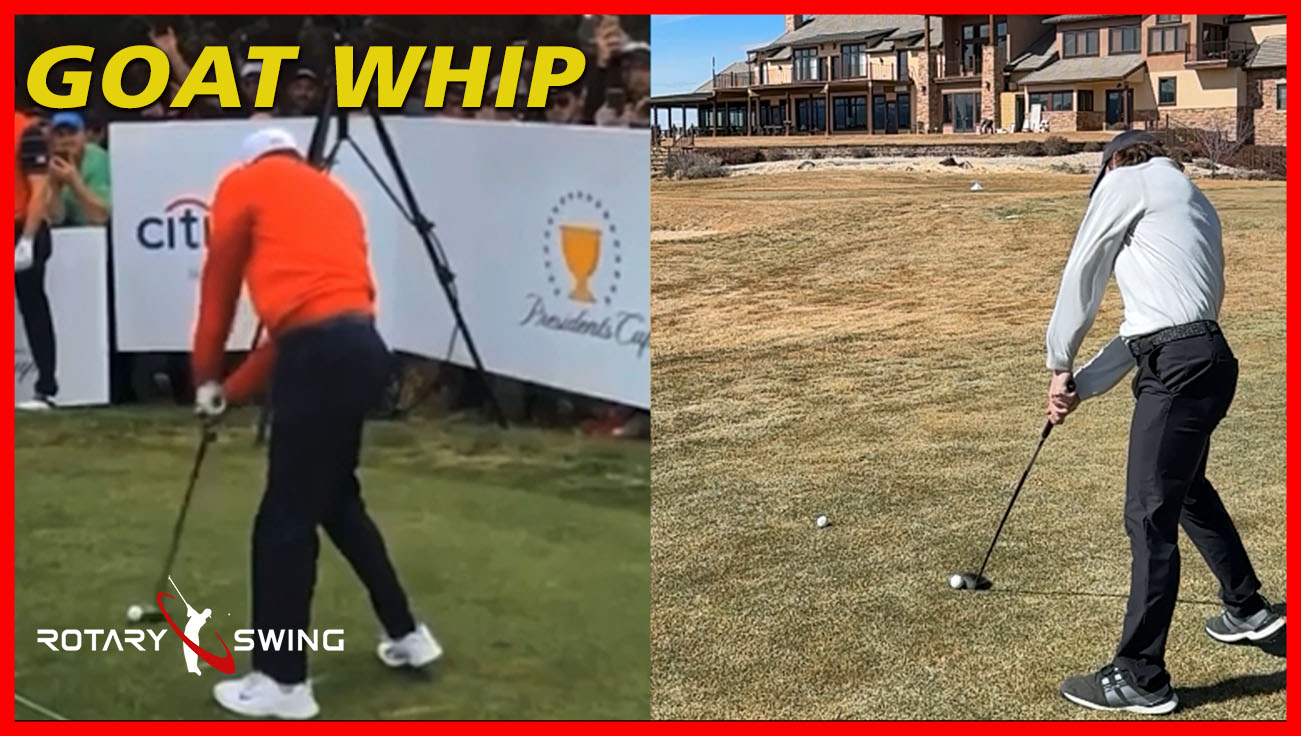
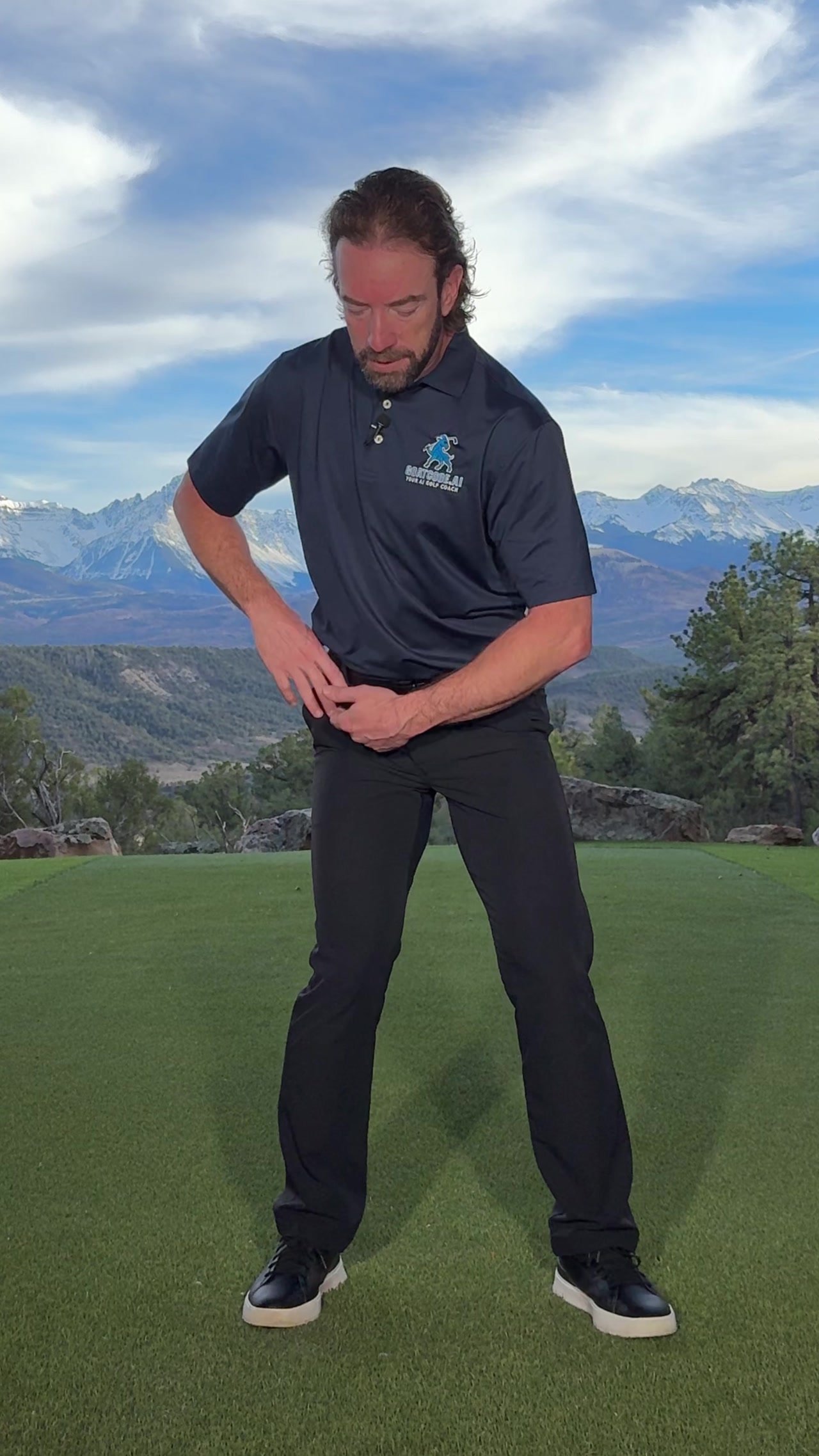
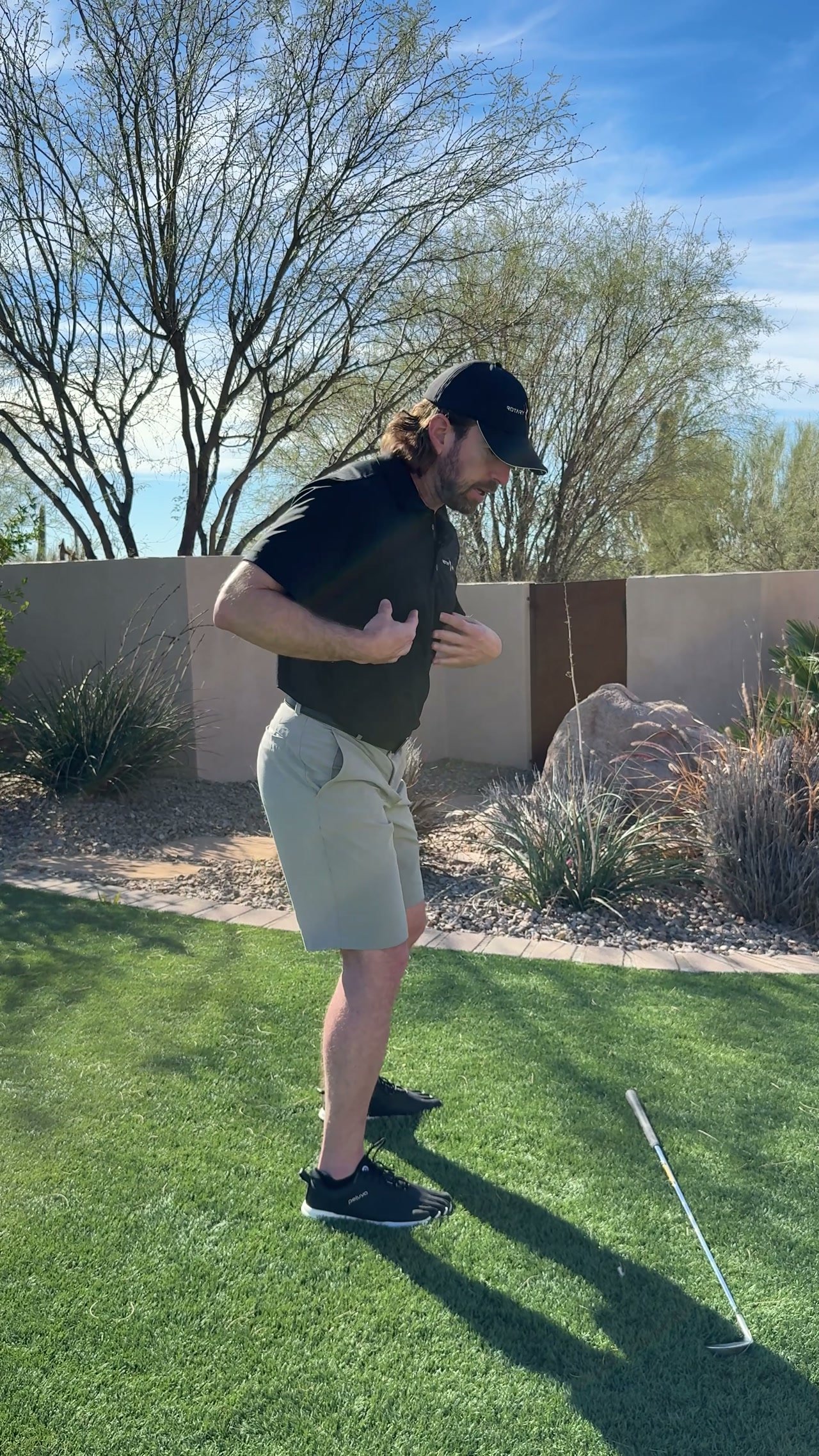
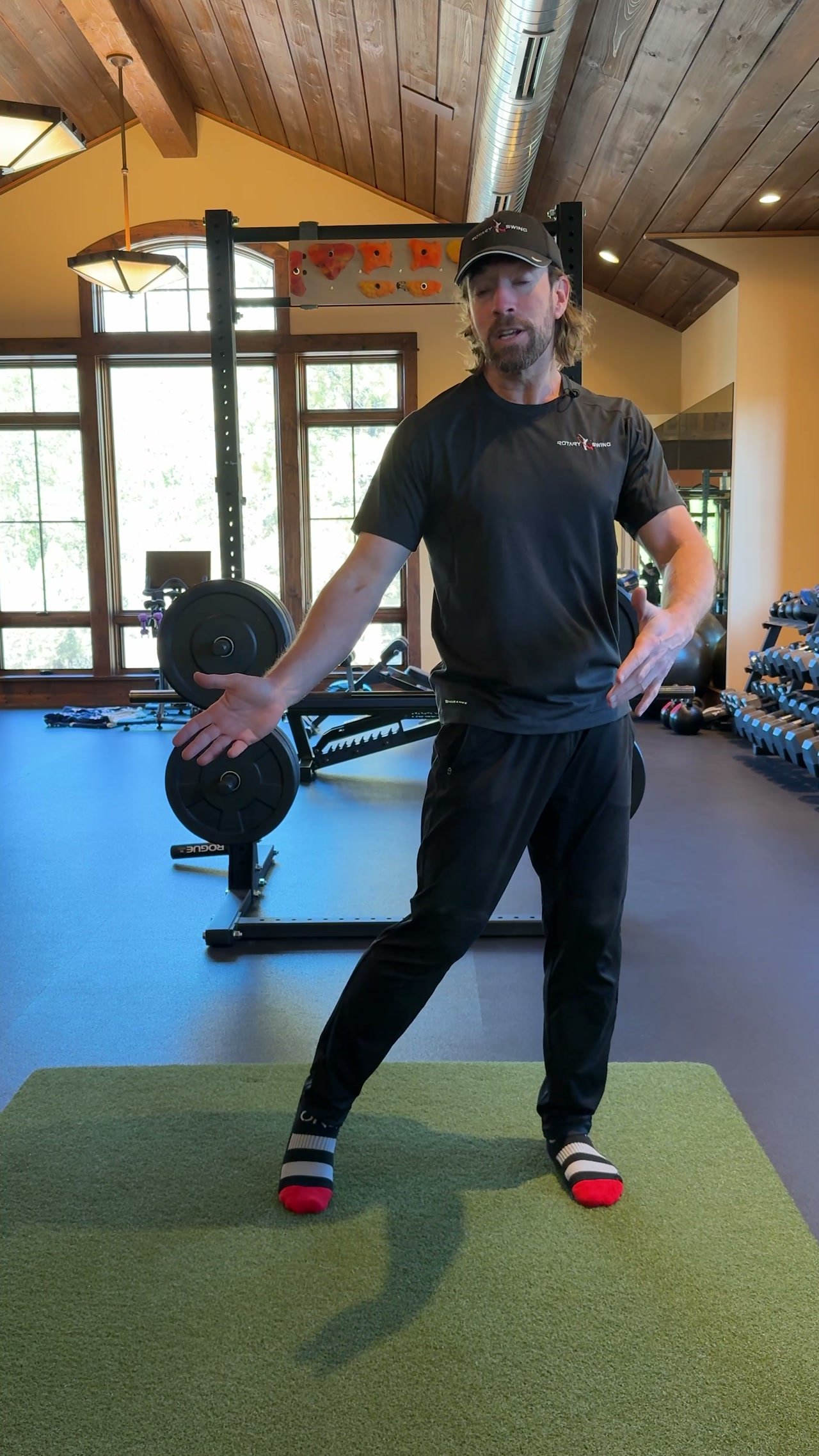
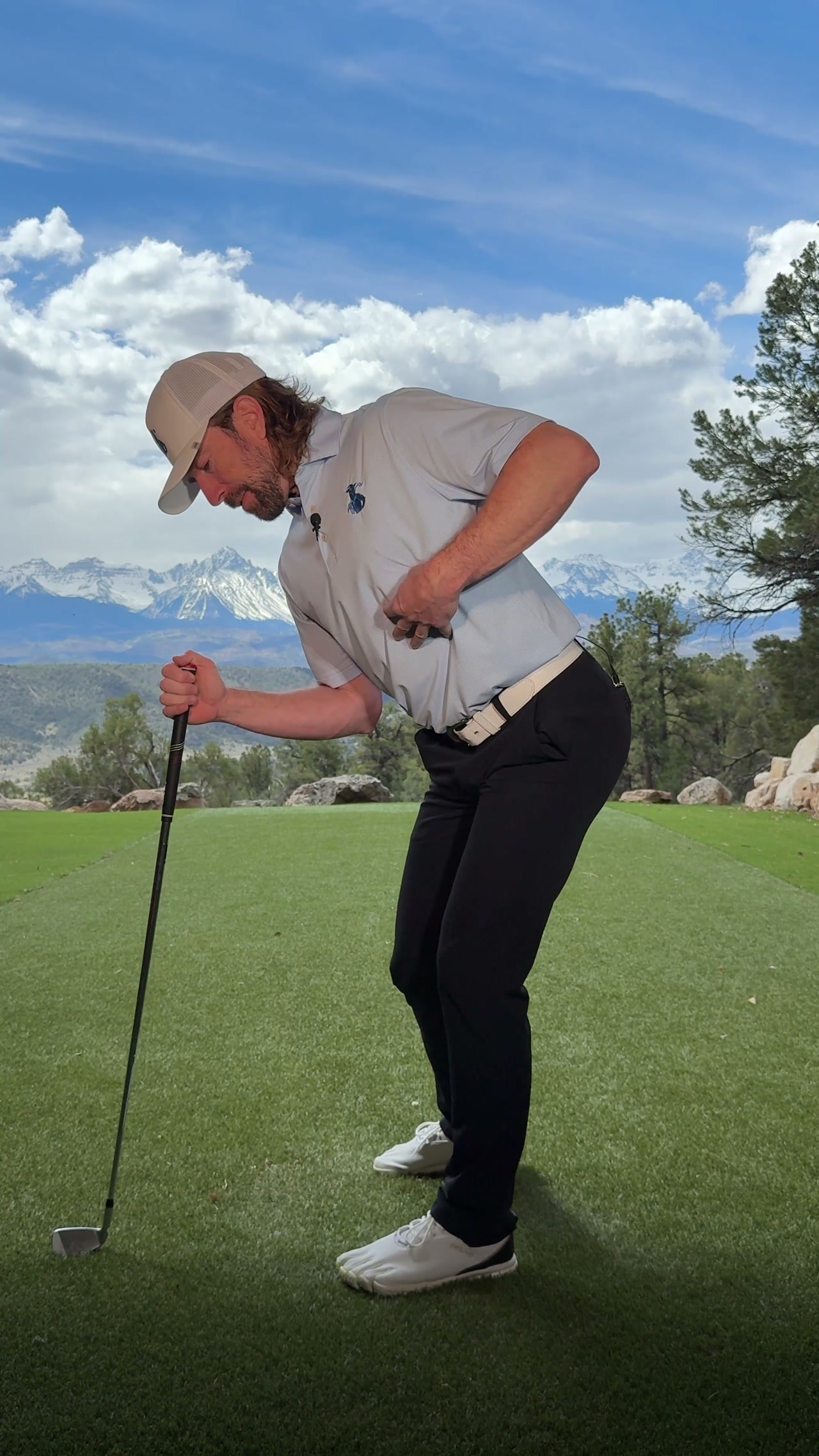
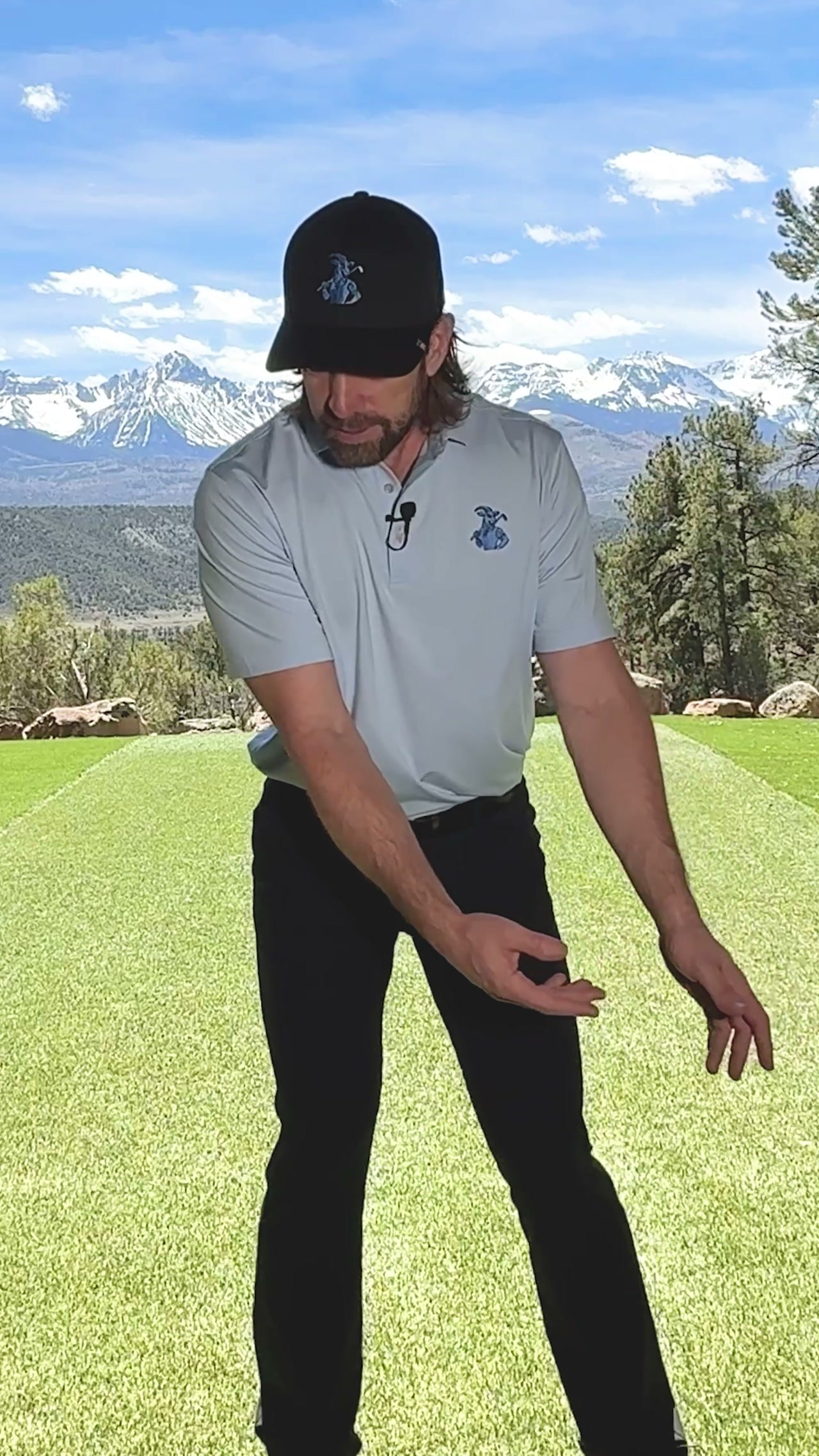
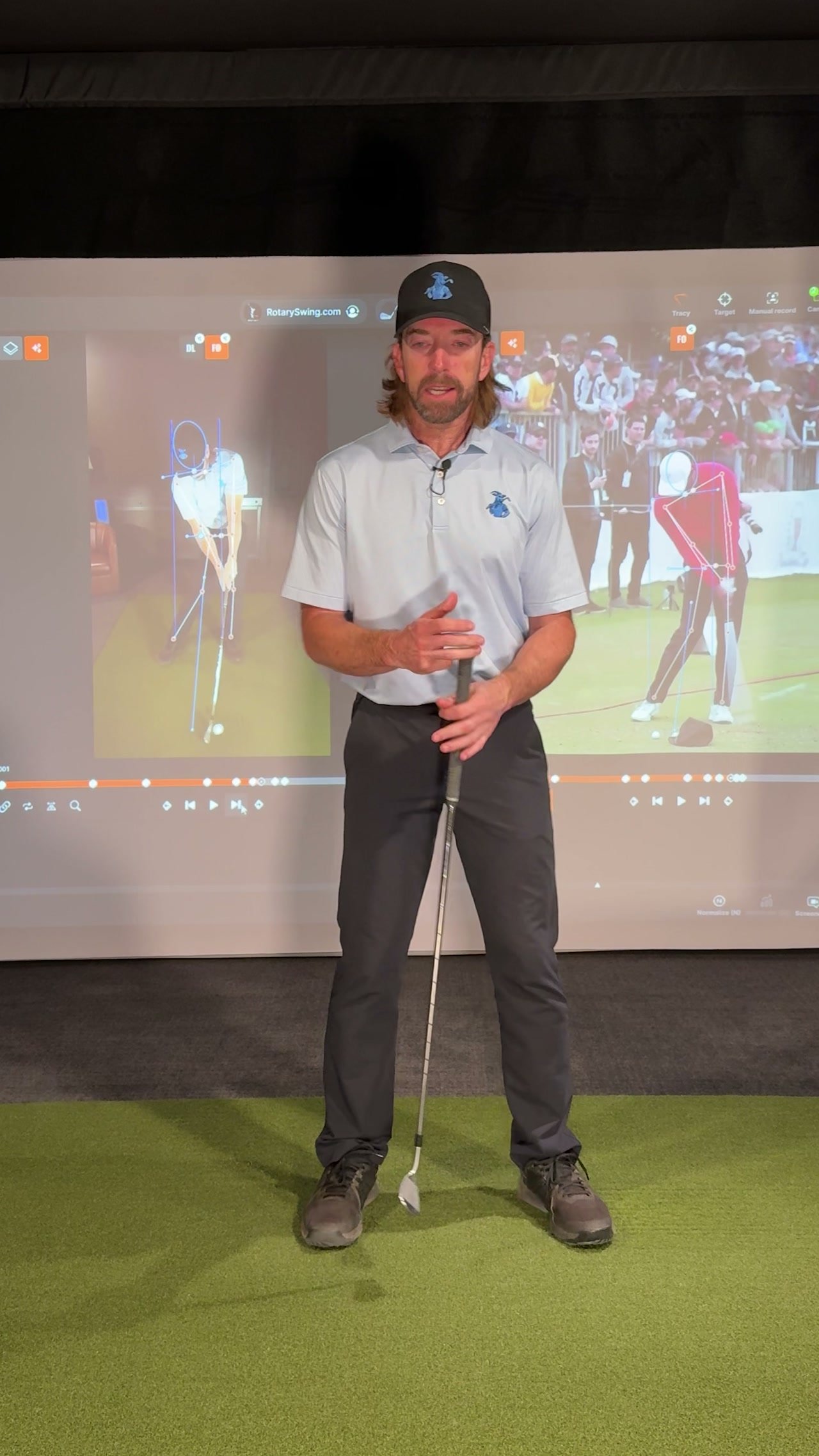
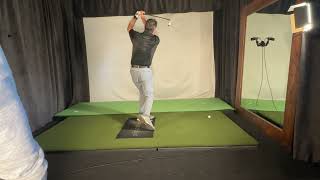
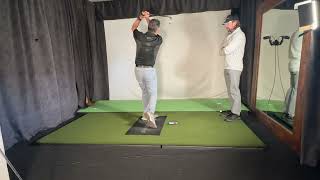
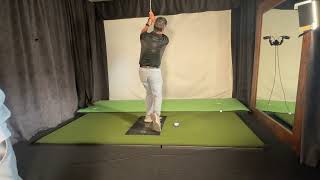
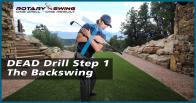
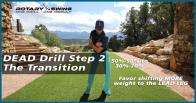
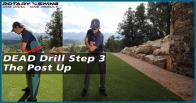
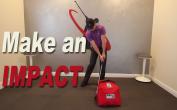
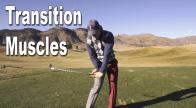
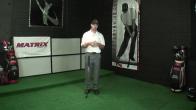
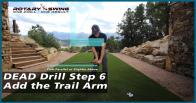
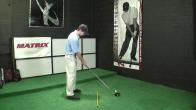
Try the Down the Line live lesson with GOATY free as a RotarySwing member at https://goatcode.ai/easy The goal of GOATY is to make learning the golf swing simple for everyone of all abilities. This new drill that is designed to be used with the new Down the Line Live Lesson in GOATY is a step in the direction of explaining the golf swing as a fascially driven system that loads and unloads. With one simple visual and feel, the swing unifies into one overall motion rather than trying to group together dozens of moving parts.
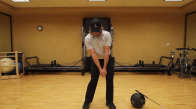
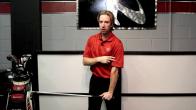
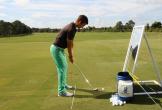
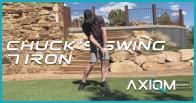
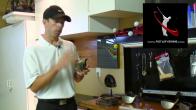
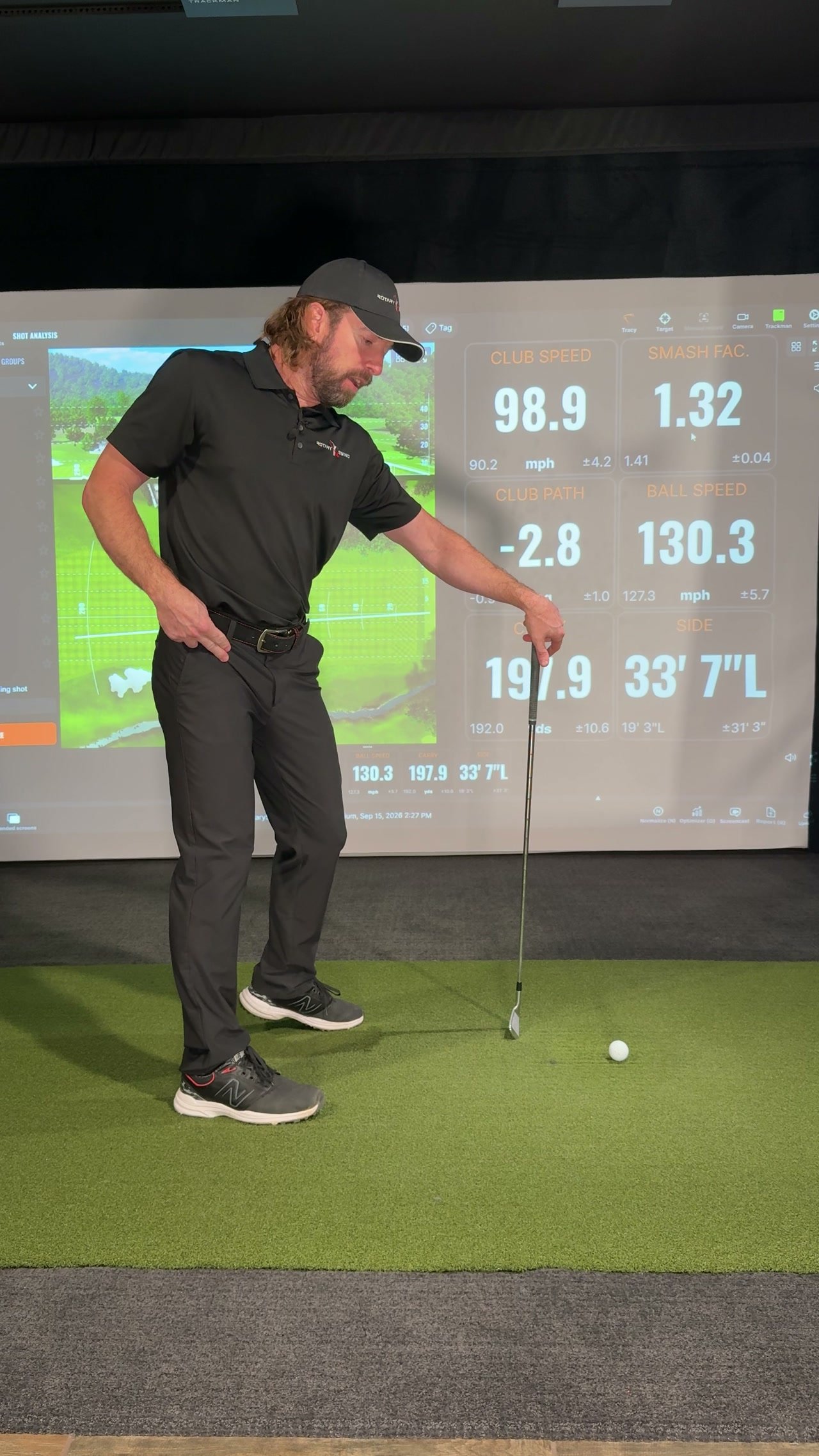
All you need to understand how I'm hitting a 5-iron just cruising, swinging almost 100 miles an hour, is you need a $1 TheraBand that you can get on Amazon.
I literally bought a package of three of these for $5.
And this will teach you more about the golf swing and understand how Goaty is understanding the swing, how I teach the swing, how I envision it, how I use it in my own game, and how to create this really simple visual in your mind of what the golf swing really is.
Because it's really simple.
I'm going to talk to you about three things today.
One, the coil.
This is the most important part.
How do you coil up the body and the backspin?
If you don't do this right, everything else is hosed.
You're not going to be able to play good golf.
And it's really simple, and that's where the TheraBand comes in.
The second thing is containing the club.
And I'm going to show you what that means in more of the second part of this video.
And then the third part is letting it release.
The club releases when you contain it.
In fact, the more you contain it, in other words, trying not to release it, trying not to let it release, the more violently it will release through the ball, as you'll see here in just a moment.
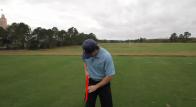
So TheraBand, just grab something like this.
You can do this with surgical tubing, anything stretchy.
The point is that I want you to feel and visualize what's going on in the swing and how I think about what I am teaching you.
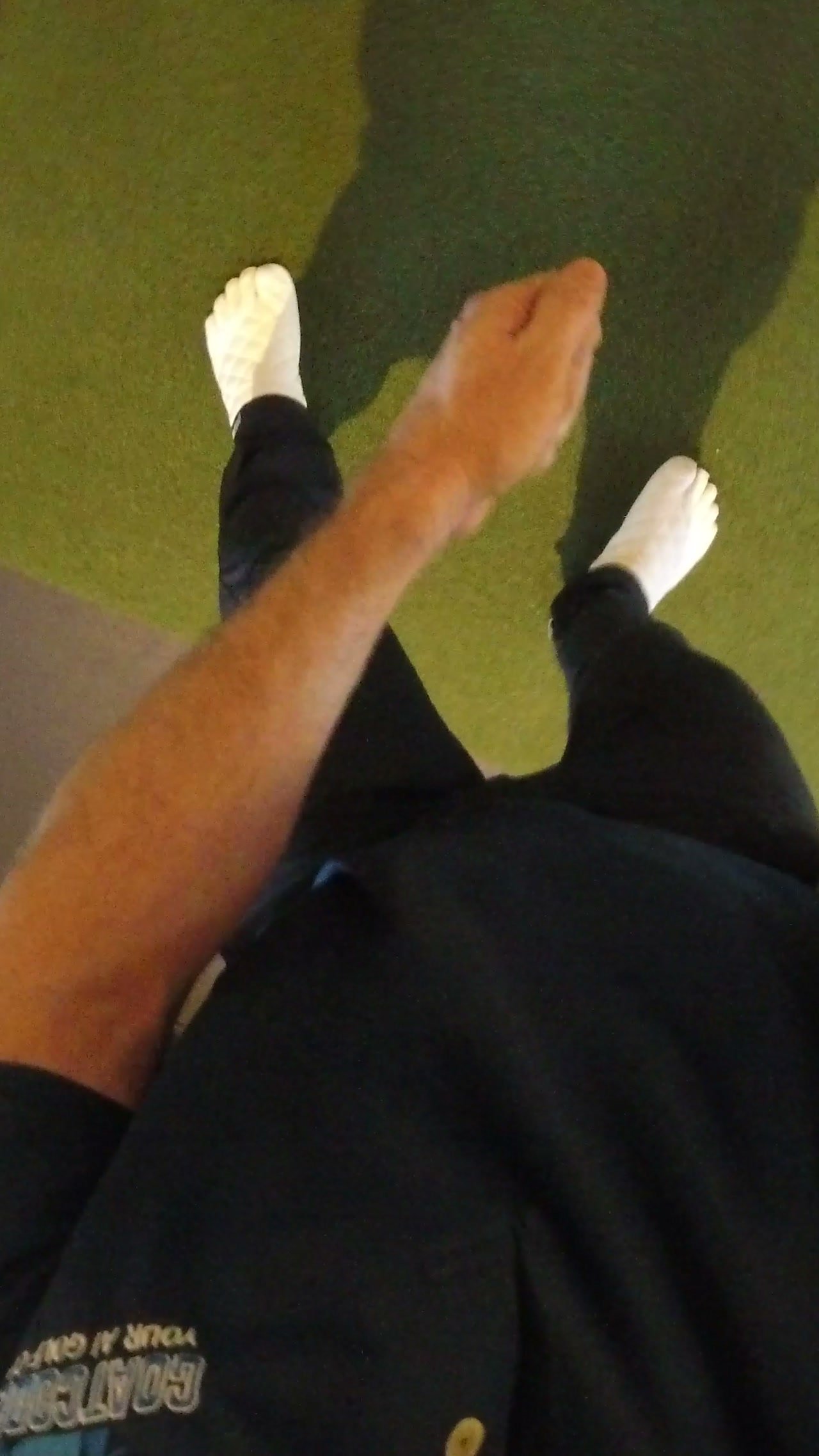
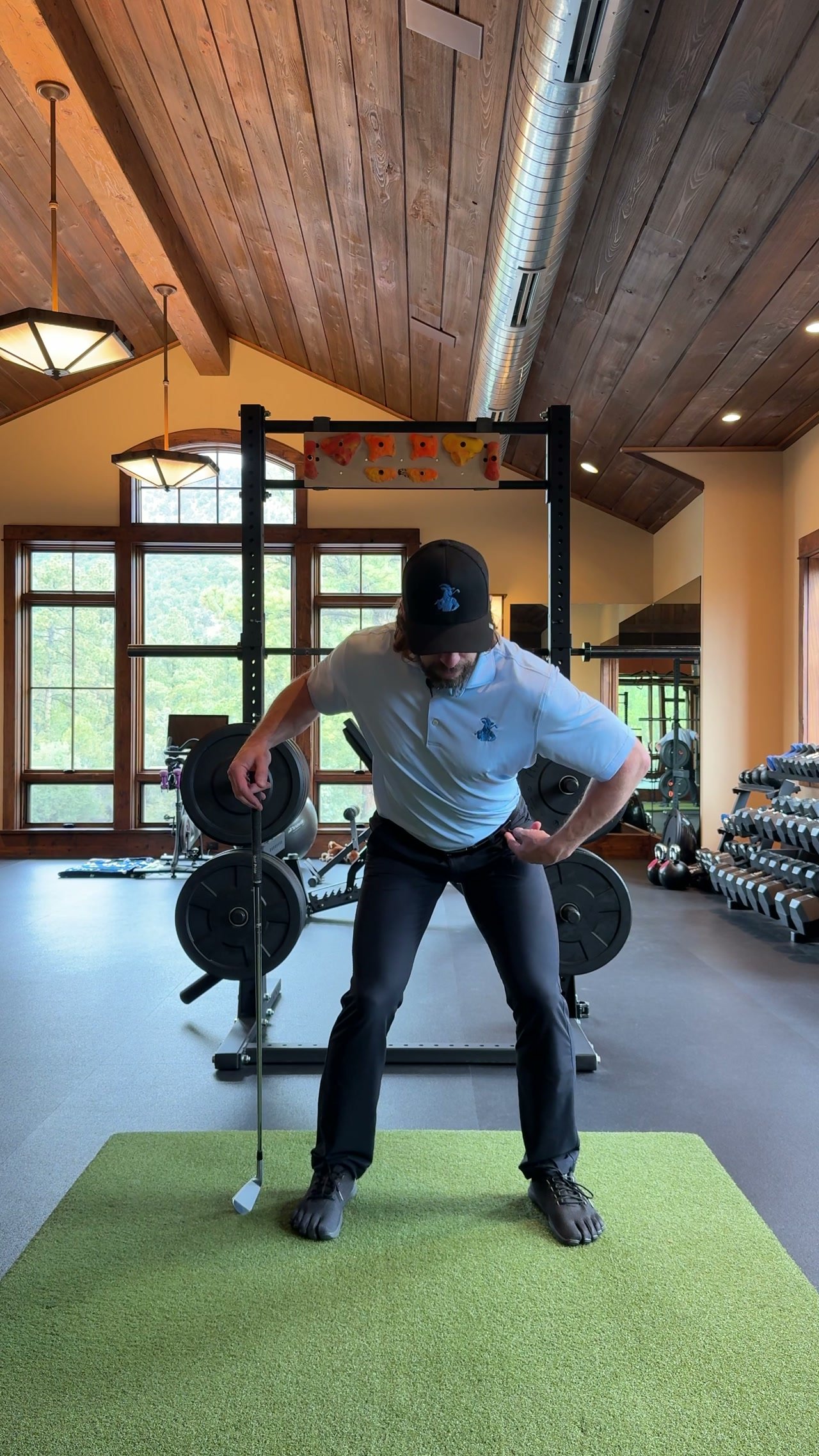
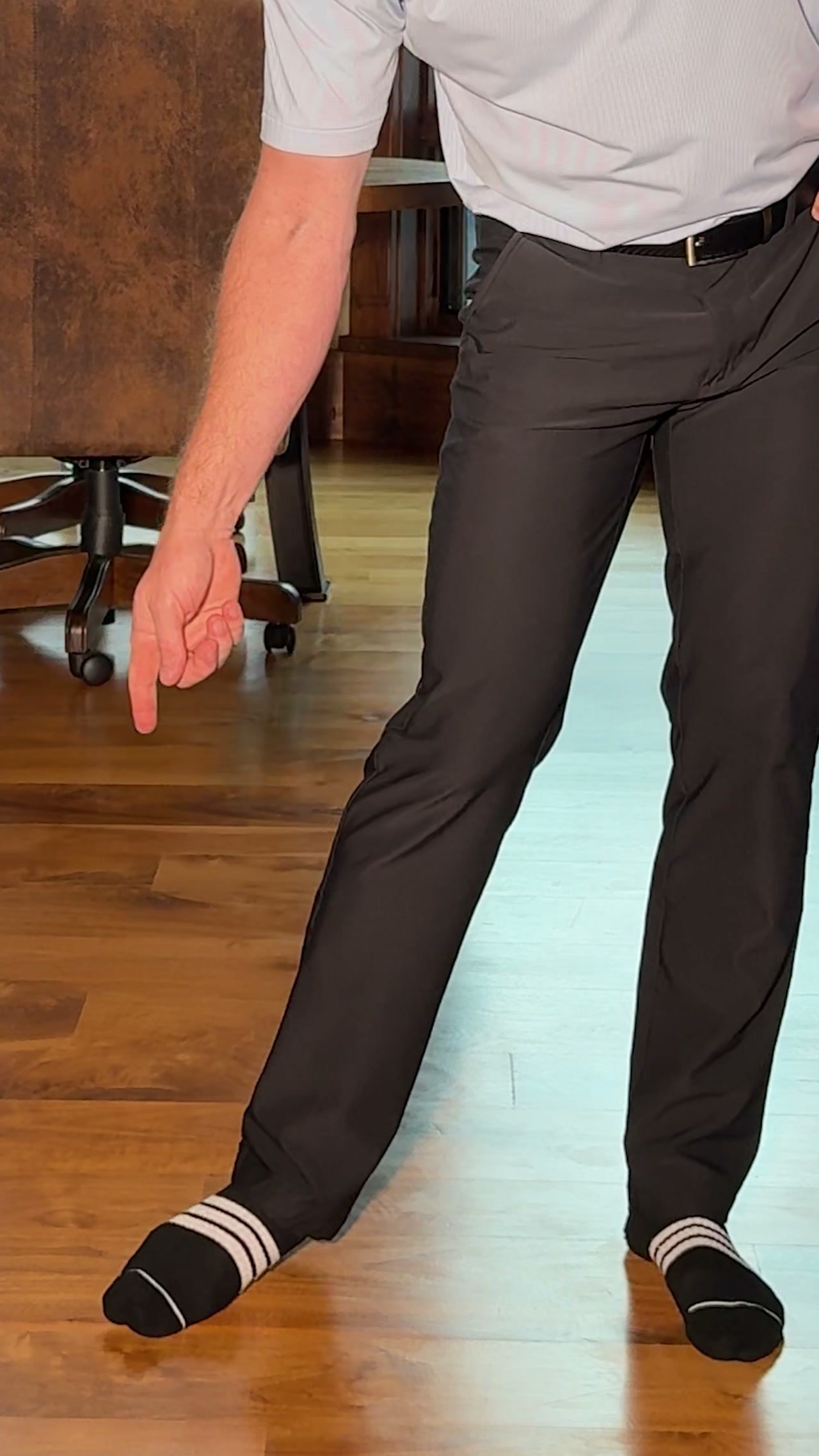
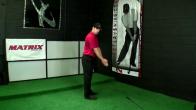
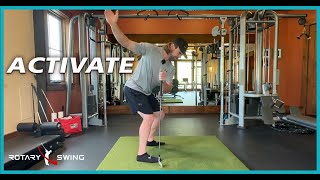
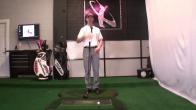
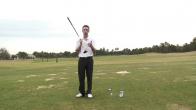
So I just put it under my right big toe.
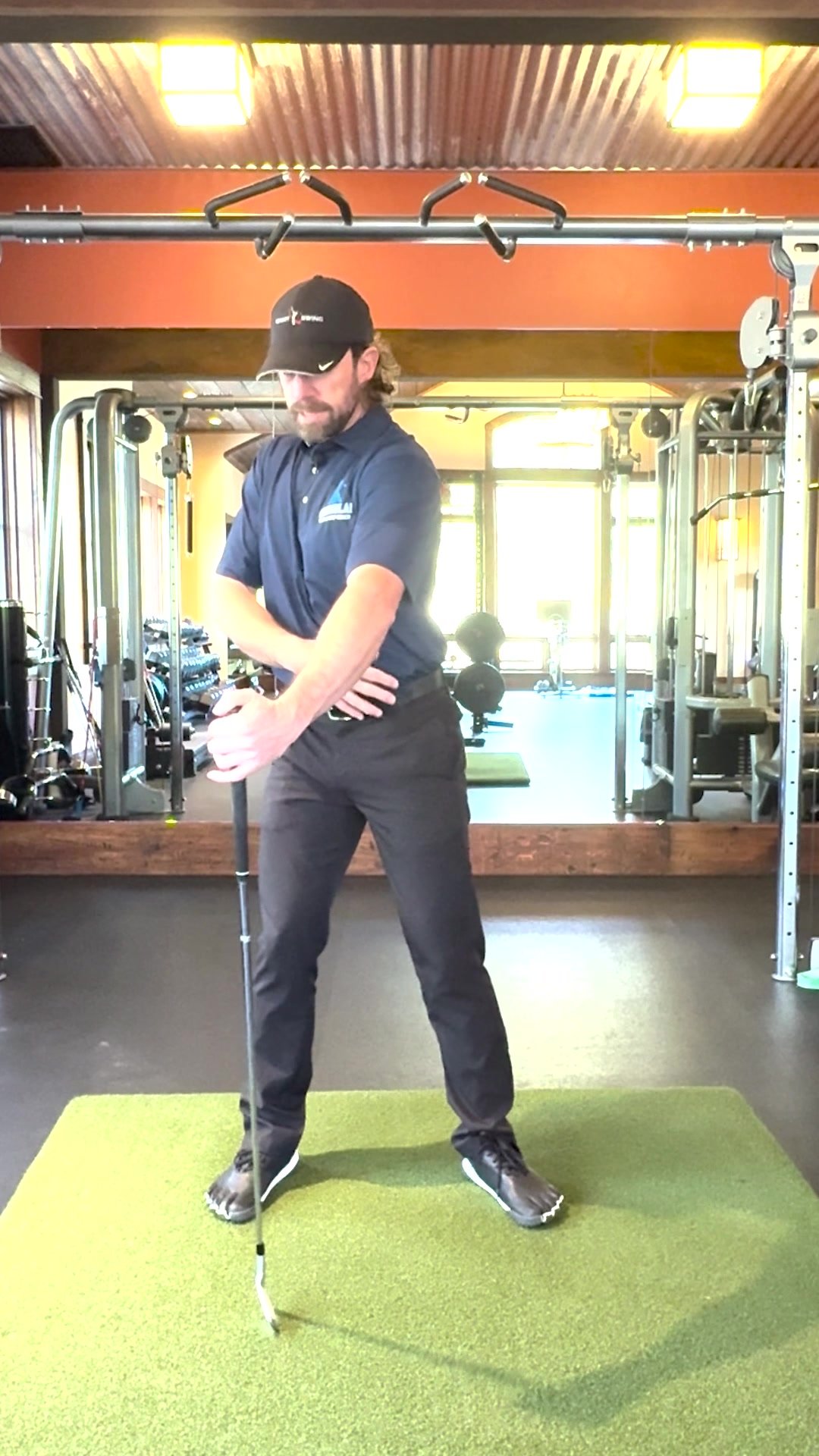
And then all I want you to do is start to stretch it a little bit, wrap it around your body or wrap it around your leg.
It's going to come up through the inside of your thigh.
Imagine it going through your glute, through your low back up, over your shoulder, your lead shoulder, and down to your lead hand.
This is what you're coiling in the golf swing.
This is all you need to really understand to hit it, as far as I'm hitting it.
as easy as I'm hitting it, because I'm coiling, letting that uncoil, containing the club with my lead side, which you'll see in just a moment, and basically preventing the release until it emerges on its own.
That's it.
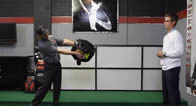
So take this and put your lead thumb through it because this will help you start to understand what all is going on, what you're trying to feel in your body in the swing.
So all I'm trying to feel is that the first thing I do is start to pre-tension this thing.
As I straighten my leg, as I go back and drive my hip back, if you get one of these, you'll feel immediately that it starts to put more tension on it because you're taking out slack.
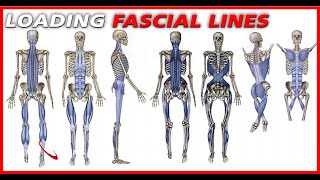
And that's what you're trying to do with your fascia.
Your whole body, every cell is covered and surrounded in fascia.
Your whole body is just like one giant big elastic rubber band.
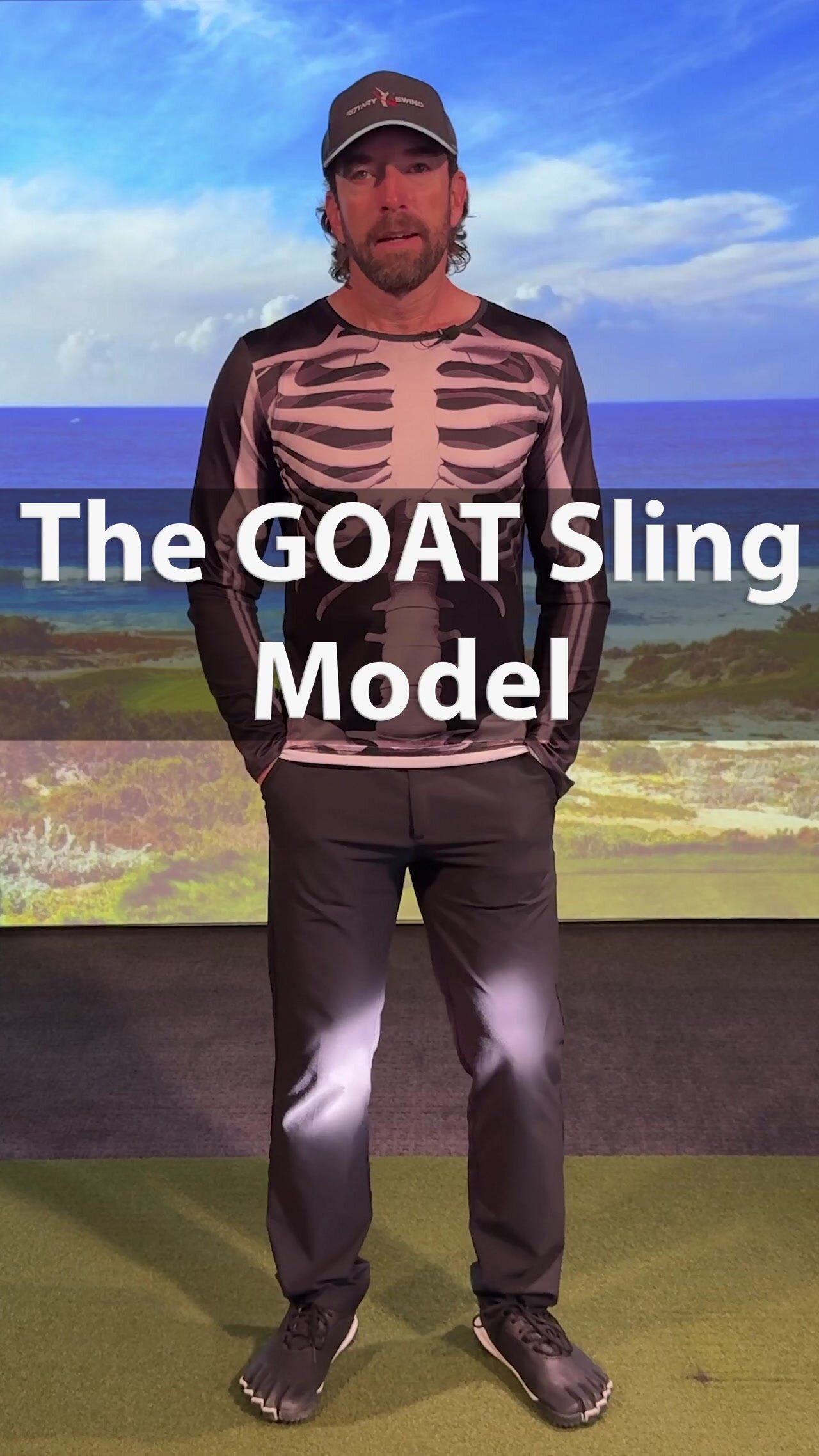
And there are different fascial lines and slings throughout the whole body that help us create rotation and walk and all of these things.
And this is what you're really trying to do is take tension out of that, or, excuse me, take slack out of these fascial lines.
That's why your lead arm's got to stay straight.
If I let my lead arm bend, all the tension I feel here is gone.
And it goes throughout the whole system because your whole body is connected with fascia.
So as I go back, the first thing I'm doing is straightening this leg and giving myself a nice.
stolid anchor.
So I got to get into this hip.
I'm not sliding like this.
This puts more slack into the system.
I'm going up and back.
And now I feel, oh, don't go away.
Step on that hard.
So you can see I put more tension on it, pulled it out from under my feet because I'm loading this way.
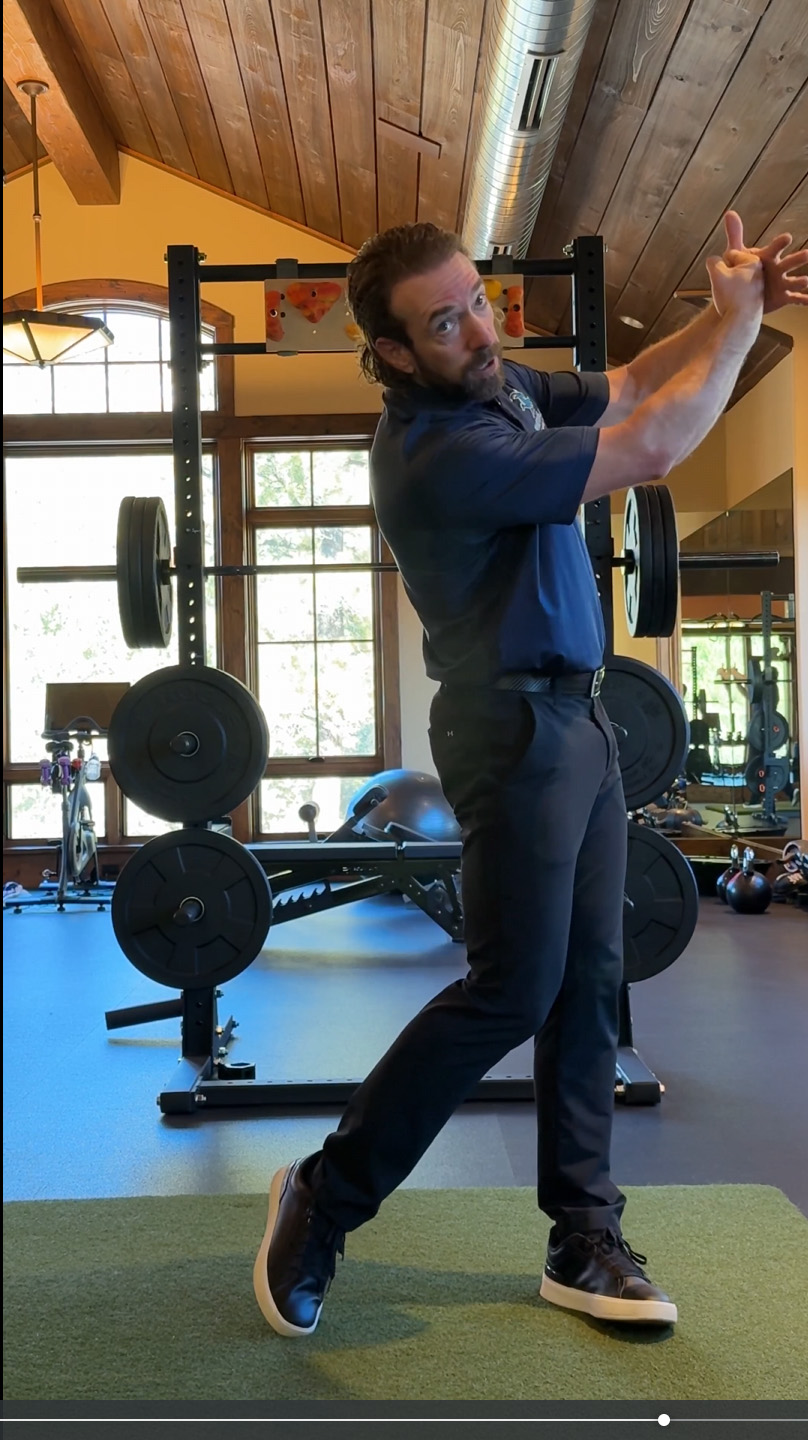
And this movement, as I've just basically driven my trail hip up and back, my pelvis is turned and my rib cage is turned.
Look how much I've turned already.
And I feel very little tension here.
So what I'm doing is I'm using my leg in the ground to kind of initiate and drive everything and keeping this wide.
I'm just trying to prevent the club from going anywhere.
I'm not trying to swing the club and set my wrist.
I'm doing the opposite.
I'm trying to contain the club, which I'll show you again in a moment.
But the big key here is as I go back, I'm keeping this wide and long.
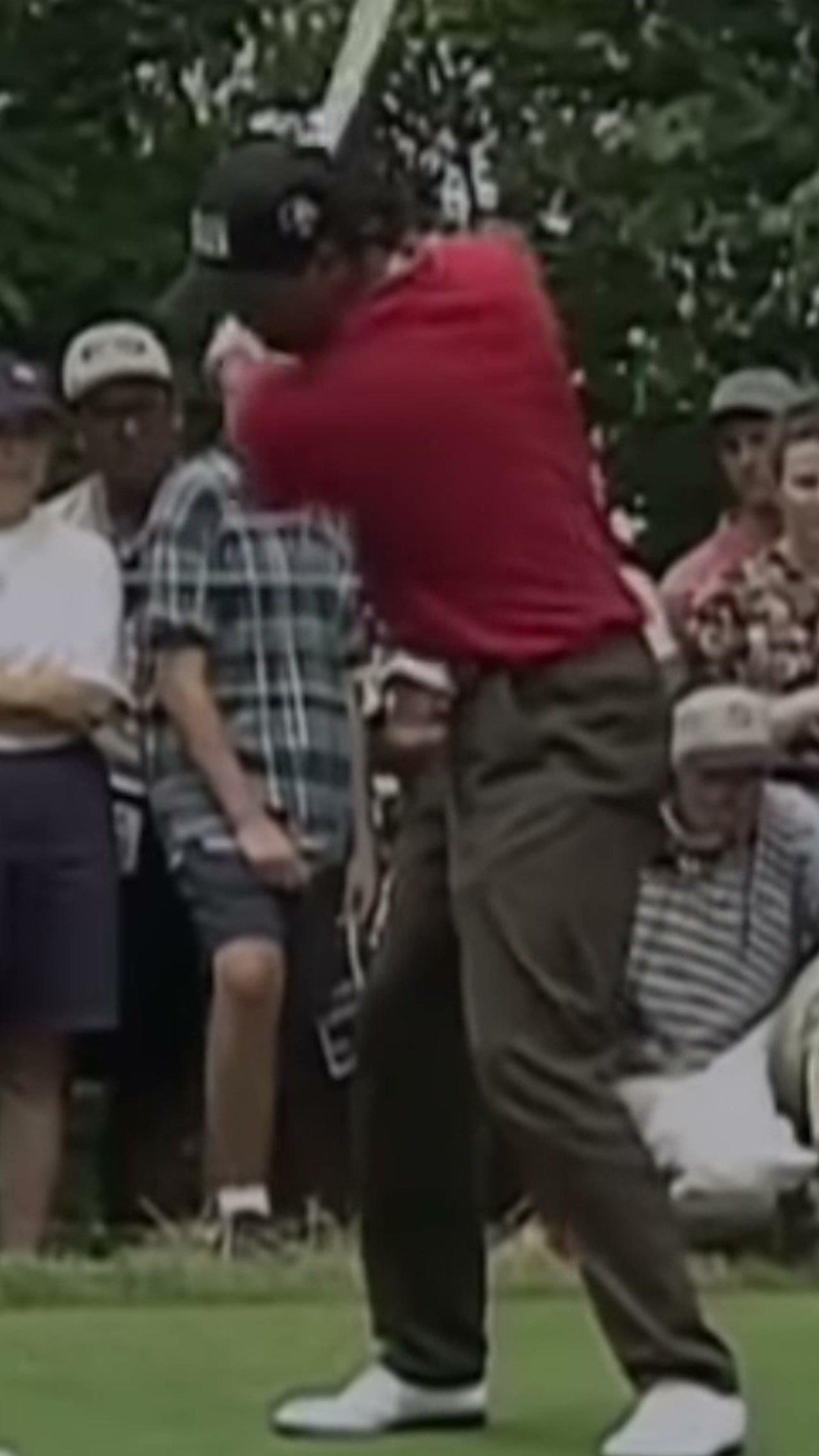
Tiger used to talk about that all the time in his swing.
And he's had the widest swing, perhaps, of anybody other than maybe Davis Love.
The third Tiger's always had very little late, very little early wrist set, a super wide path.
And he's always said.
I try to get my hands as far away from the top of my, up, from my head as I can, at the top of my swing.
Because he's stretching his whole body to be able to fire violently through the ball, but it's effortless violence.
When you understand that you're just basically stretching this whole diagonal line, the spiral line and letting that release, then you start to understand that you're not trying to muscle it.
I'm trying to load this whole line and then as I load it even more in the downswing, dynamically.
And then as I keep driving, there's so much tension here.
It pulls everything through for me, it rebounds.
That's what fascia does, you stretch it and you let it go.
It's exactly like this.
If I let this thing go, it's gonna smack me in the face.
That's what you feel in the swing, that's what effortless power is, it's stretching the fascial system and letting it do all the work for you.
So load up, go back, keep this puppy wide.
You let your arm bend, what happens?
tension's gone, and you reduced it all the way down to the ground.
Keep this wide.
You don't want to bend your right arm, what happens makes your left arm bend, and then you lose all the tension.
You want to pick the club up because now you're not letting the club go or your hands go around enough.
This all of this spiral line needs to go this way if you just pick the club up like this.
Again, no tension.
So keep your trail arm out of it.
It's not going to do anything.
You're just going to use this to keep it structured.
You're going to keep your lead arm straight.
It's connected to your rib cage.
Go back.
You can see I've almost made a full shoulder turn, but I literally have not turned my shoulders.
I'm not trying to do this, nor am I trying to create separation between my upper and lower halves.
That's all going to happen as a result.
All I'm trying to do is load this so I've got an anchor into the ground, Straighten this leg, drive this hip up and back.
And that has moved my rib cage, where I've almost made a 90 degree shoulder turn.
And I feel zero tension here.
I'm just keeping this spiral fascial line loaded and now as I start down again, I would already be moving over here.
Because of the dynamics of the swing, you don't have to try to shift, you don't want to push, you're just going to stay when you're doing this slow.
What I want you to do is stay back on your trail foot for right now.
What you're going to feel now, come up onto the ball of your foot, straight to your right big toe.
Now I can feel that, as that's happened, I've taken even more slack out of the system, it's now pulling against my thumb.
I feel it by doing this because now I've started to turn.
I've taken fashion or tension out with my shin as my knee comes forward.
And now my.
I'm onto my toes and ball over my foot.
So I can explode off the ground and drive explosively and pivot rather than slowly push myself over.
It's not what I'm trying to do.
You don't need to try and shift, you stay here, come up onto your ball, your foot and your toe.
Keep this back, and a great feeling is taking your trail hand, putting it behind your trail elbow.
And now, if I do this and my hand doesn't come with me, what do you think's happening to the tension in these bands?
I feel it even more loaded now.
So now, from here, the whole chain reaction has been set off.
And as I just keep pivoting on this toe, that's why I say, I don't want you to try and shift over right now.
Pivot onto your toe and you'll feel how that is going to allow you to keep rotating and look where my hand is.
I didn't move my left arm, my left arm got moved by the whole fascial system, by the loading by my right leg, my pivot onto my toe.
That's where all of this happened.
From now.
Look where I'm at, I'm right back in GDP, the Goat delivery position, right?
I got moved here by my whole right foot, right leg, right hip.
That did everything.
And then from there, all I need to do is contain it.
Let me talk to you about what I mean with that.
Okay, so you start to get the spiral fascial line that I have envisioned in my head.
That's what I feel in my swing.
That's what all I'm doing is.
I'm coiling up and you'll see in a moment.
I'm going to cruise at almost 100 miles an hour with a five iron and look like I'm barely moving.
And it feels like I'm barely moving, but I'm moving a lot and fast from this guy.
Now, if this is moving fast and a lot, what do your arms need to do?
Nothing.
They contain the club.
Your job is constraint, not to swing, not to set, constraint, contain.
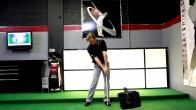
What I mean by that is, once you set up here, your job is to try and keep this relationship the exact same throughout the entire golf swing.
That's your job not to set it, not to roll your arms, not to do any of that.
What I want you to do is start loading the spiral fascial line and contain the club.
So now you'll see that as I go back.
club's right in line with my hands.
I got a perfect takeaway.
I did not try to do a takeaway.
I'm loading and letting this all start to move back together.
Now, of course, my ribcage is going to start to turn.
You're going to use that to help start swinging the arms and so on, but it starts from your trail foot and leg.
Once you're over here, now, if I don't contain the club, guess where it wants to go?
Way back inside.
If I try to manipulate it, I take it outside.
I'm doing nothing, I am loading my right leg and containing the club.
My last three fingers are holding on to the club.
My thumb is, you know, holding on to it to help give it control as well.
I'm not trying to push against it, but I'm holding it firm enough.
That the club doesn't want to do all this stuff.
Because I don't want it to do anything, I want to contain it, so as I go back, club still contained, right, my arms didn't do anything.
And with momentum, they're going to go all the way back and that's going to stretch the rest of this fascial line.
And then as I come down, my arms aren't doing anything.
They're not pushing, they're not pulling, they're staying.
Because I want to slow this fascial line and keep this under load, under tension.
And if my right leg fires very quickly, look what happens in my hands, I'm literally holding it back.
But the club is starting to go and it's going to go fast.
Because this motion, just like you would make in baseball, is super fast.
And so as I'm doing this now, the club's here.
It's right back in GDP, but I felt like it's right where it was at address now.
Of course, the momentum and the speed.
You are going to go back very fast, you're going to load this back as fast as you can, and your arms are going to get swung very fast.
But what you're trying to feel is that they stayed exactly where they were at address.
But the catch is it's going to start to bend.
It's just too heavy, you know?
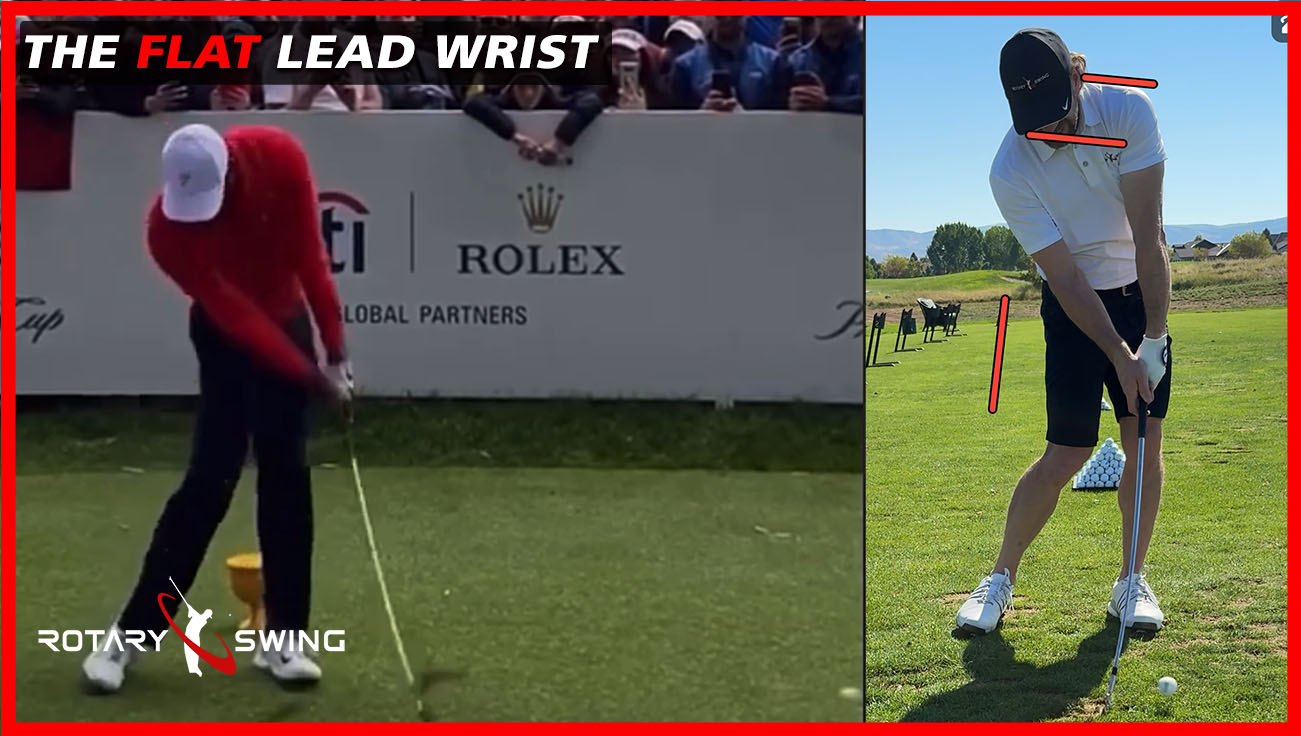
It starts to want to set here, that starts to flatten my wrist.
I didn't do any of those things.
I'm trying to contain it the whole freaking time, and if I could, really, if I go slow, I can actually contain it right.
So it really is exactly where it was at setup.
And then if I pivoted really quickly, I would just feel, as I come through the ball, that it's exactly where it was at address.
I'm trying to just maintain setup throughout the entire swing with my arms, that's my feel, and you'll see that as I'm trying to do that.
It can't happen.
And that's when the release emerges, you are trying to contain it, it will release itself.
So as I come through, all I'm trying to do is keep pivoting.
To make sure that this trail hip keeps getting my hips all the way open to drive up my this lead side structure back to the ball.
And you'll see as I start to do that now, as this trail hips open and made room, that's when you can feel your trail hand start to throw.
A lot of people when they take the throw from the top idea, they think a throw from the top is using their arms.
A throw from the top is still my leg.
I don't throw a baseball like this.
That's dumb.
I'm coiling and throwing and driving and then my arm is rotating.
It's not pushing.
This is a push.
My arm is rotating.
And then as I build up all this tension in my fascia, it snaps effortlessly.
The golf swing is no different.
If I'm going to feel that throw, I'm just making room with my trail leg.
But all I want you to feel to start out with is just containment.
Don't let that puppy go anywhere.
Set your constraints at address.
My left wrist, my left hand, they're all relatively soft, but I'm not letting the.
I'm holding onto it firm enough.
That's not going anywhere, and as I keep going again, momentum flattens out my wrist.
For me, it sets the club for me.
I'm trying to contain it and you can hold on to it tight at first to get used to this feel.
If you're used to making a, you know, really sloppy, long backswing contain, contain.
I'm just making it exactly like it was at address.
And then I'm firing as fast as I can.
And then, as I feel like I come through the ball, my goal is just again not letting anything release.
But because there's so much tension on the fascial system, my hands snap like crazy.
And that's how I'm able to swing so easy and yet still hit it so far without trying.
And that's what you're going to feel.
I'm doing exactly this motion.
Let me show you.
So once you start getting used to this trail leg firing correctly, you're going to be able to just cruise.
And I'm going to show you and I'm going to walk you through exactly what I'm feeling, exactly what is going on in my swing, and how simple and effortless it is because there's really only two things going on.
Trail legs loading.
I'm containing the club with my lead side.
That's it.
And you can make it more complicated if you want to, but I'm all for being very simple here.
So the first thing that I'm really focusing on is just loading.
I get into this trail leg, so I'm here, I'm, I'm really getting into it.
And as that starts, standing up and going back, I'm getting power out of the ground, into this trail leg.
And getting ready for it to be able to fire, that's all I'm really focusing on.
I'm keeping my arms very relaxed, even though my lead arm is providing structure and containment for the club.
it's not actively swinging.
Watch what happens.
My job is to contain this club.
I don't want it to do anything is basically what I'm trying to feel.
But if I load this back, you can see that my rib cage is turning.
And as long as this comes along with it, the club starts going, but it's all being driven off loading up off this trail leg.
So I'll hit a couple here and I'm going to walk you through it.
So all I'm doing at setup, I'm really starting to feel that this leg and this glute and this hip are ready to push into the ground, to straighten, to get this hip to drive back.
So that I can coil around it because I need a strong leg in order to load those fascial slings, that that spiral fascial line, I showed you, so now I'm focusing on last three fingers, middle two.
On this hand.
The club's just going to fall into the to my right hand as the club comes down, but I'm really just keeping my lead arm connected.
but soft, relatively, and just loading into my trail leg, and that's it.
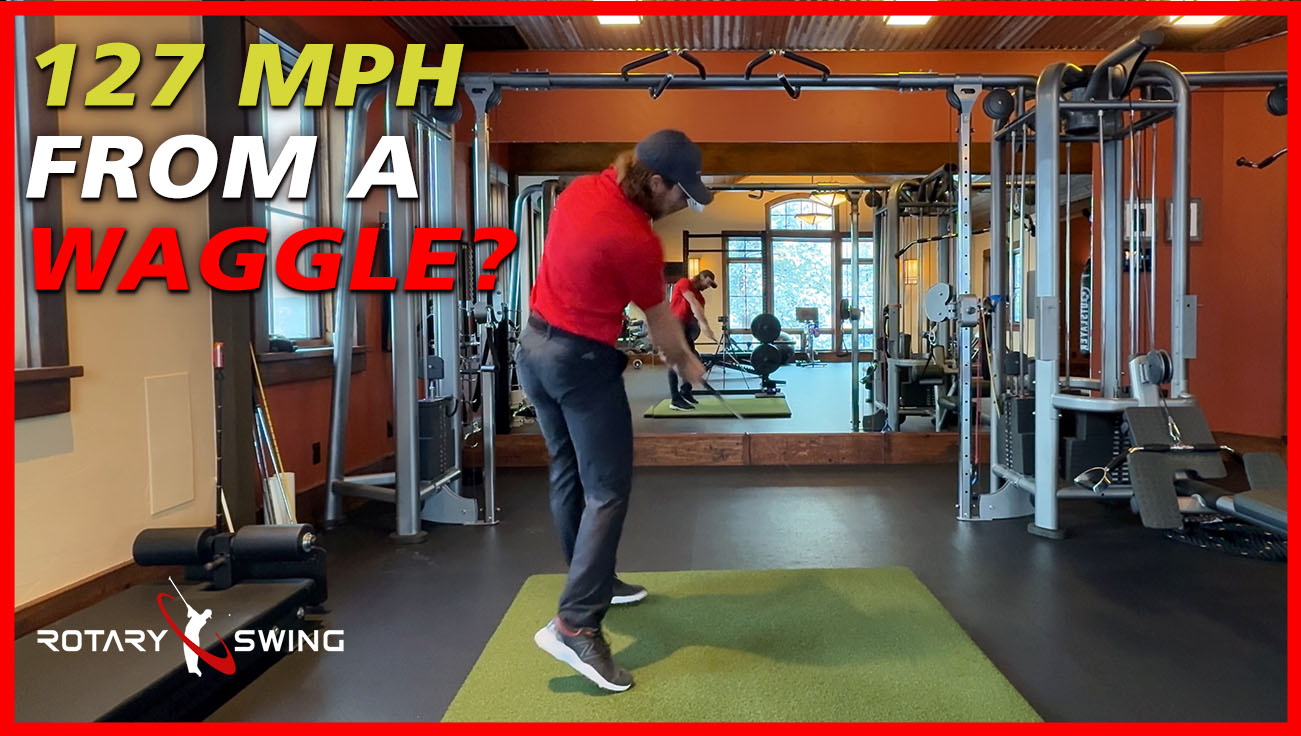
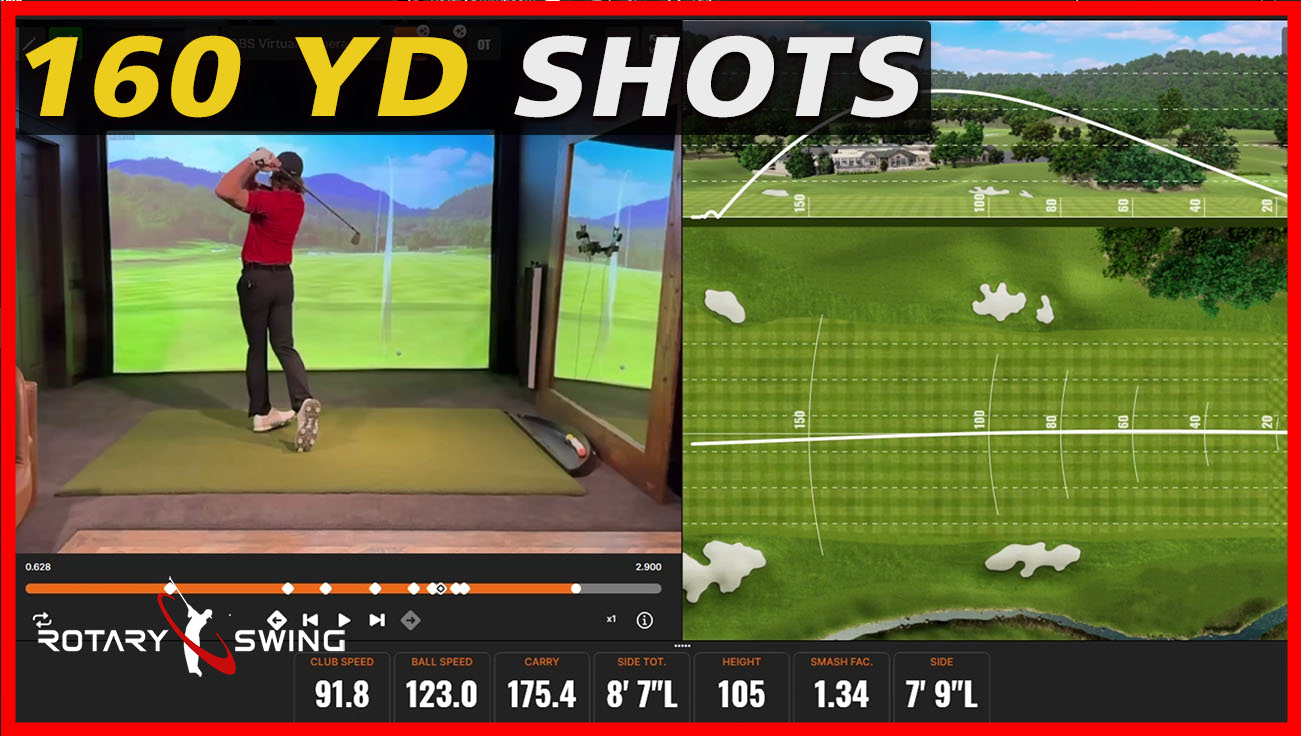
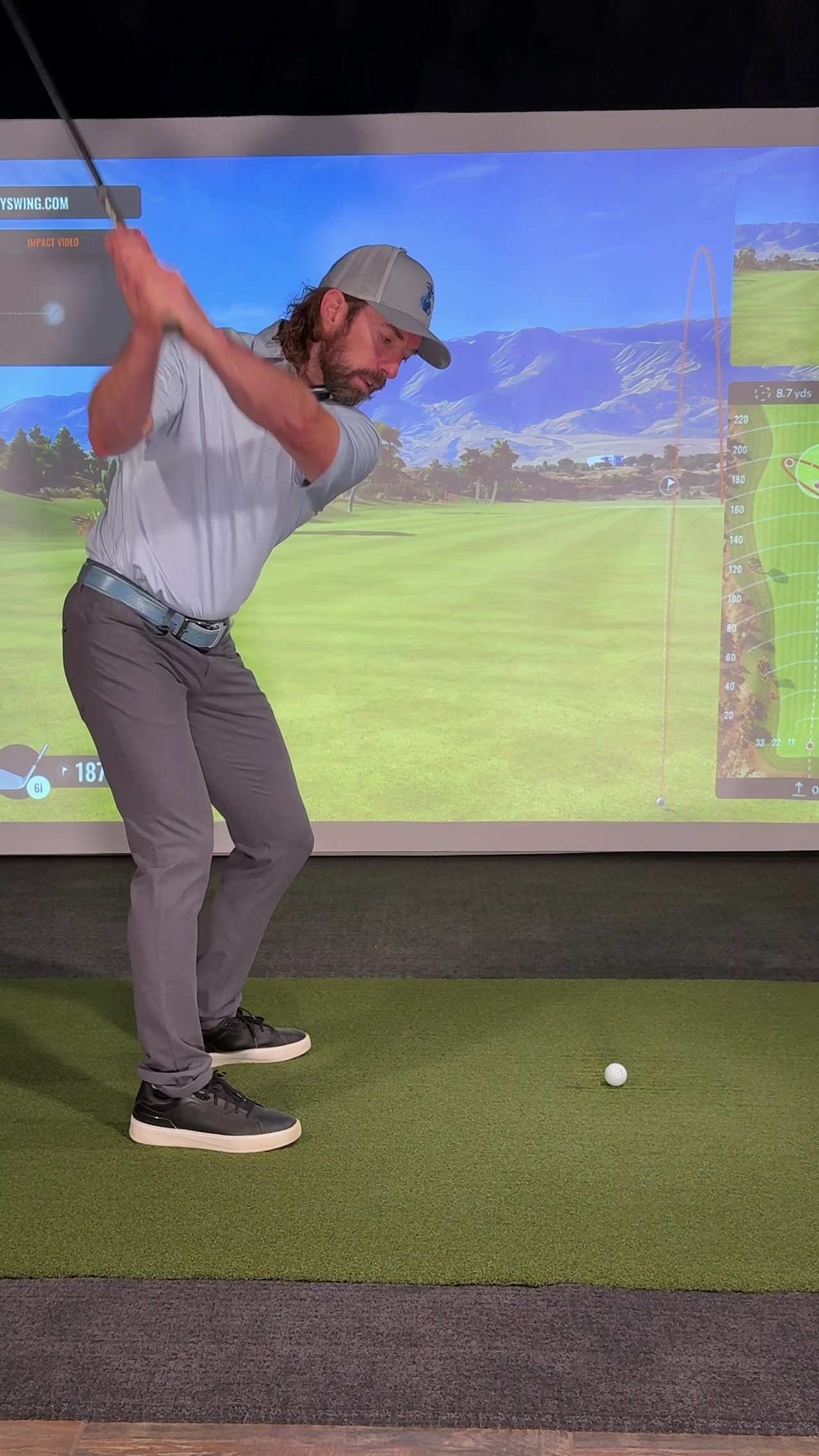
So just cruising 96.
5 with my trusty 12 -year-old 5-iron, 11 inches right of the target.
All I felt, load, drive, load, uncoil, coil, uncoil.
And I'm really feeling my knee because as I go back and I lengthen this hamstring, as it gets long, it then wants to release.
And so this is fast, as fast as I can make it.
And what happens when that, when this starts to fire back and I get up onto my right big toe, my arms, because they're not doing anything, They just kind of collapse and fold into my body.
And then, as my trail leg keeps driving, you know, off my big toe, as I keep pivoting, then my arms get slung through.
But I'm not trying to release the club, I'm trying to contain the club.
But as I keep driving and all of this force gets transmitted up through my arms, the club releases, I load, I contain, the club releases notice.
I didn't say I release the club.
I didn't feel that my hands were flipping over there.
I'm trying to keep them from doing that.
I'm trying to just drive through, get this great hip to fire all the way through and letting the club feel like this the whole way through.
But because it starts moving so fast, that was 96 and a half miles an hour, again, just cruising.
The club is going to overtake my hands.
My job is to contain it and force it.
So that, you know, build the system around it, around my trail leg, loading and unloading such that it's forced to release.
Let's do a couple more and I'll talk through, I'll make a couple mistakes here, and I'll show you what tends to happen when I do this, but I'll just make another normal swing here.
So again, I'm really getting ready to get onto this right leg.
I really feel that I move on to it pretty substantially now.
Obviously, you look at my video.
It's not that big of a drop or lateral movement, but it feels significant because I'm trying to get this whole leg to fire.
Hit that one off the toe a little bit.
Again, thinking, talking, all that stuff, but 99 miles an hour, just cruising, and my hands are doing nothing through the ball.
I'm actually literally trying not to release the club, but not forcing it.
I'm just not doing anything that would cause it to release, except for driving this coil coiling back and letting it uncoil for me.
Now, let me do one.
That's really common mistake that you kind of stop, so maybe you get this first part of the trail leg, but then because you're used to using your arms, you kind of stop.
And then you push into the the ground with the the trail arm and your hips will still be square.
So when you're on this down the line lesson, you want to see that both butt cheeks are open.
And that's only going to happen if you don't try to hit the ball with your right arm.
So I'll hit one here and I'll show, you're going to see.
I'm going to put more effort into this, but I'm going to swing way slower.
So I hit really hard and lost nine, nine, ten miles an hour and so, and you will see that at impact.
I was more like this instead of like this, because I tried to help it by pushing with my trail arm.
And to be clear, I've talked a lot about why you don't push off of this trail leg, it's not that there's not pushing force going to the ground, of course, there is.
What I'm saying is, I don't want you to load over here and then push to try and move yourself laterally.
I don't want you to do that at all.
And I don't want you to try and push this way.
Because you're going to push your hip into the ball and lose your posture.
What is happening is I'm loading and then uncoiling.
And because of the dynamics of everything and the club pulling back this way, that's how I end up over here.
As I recenter, I don't try and push myself to shift my weight.
My feeling is this and that.
I don't feel like I'm ever trying to get onto my lead side.
I feel like I'm just loading and pivoting and everything's happening off of this trail leg and everything else is reacting to it.
So let's do, try to do another good one.
Now that I put my arm into the swing, it'll be hard to get it out.
And that's normal.
You know, you're going to have to practice this because I feel like both arms are just really quiet and I'm just containing the club.
I don't want the club going this way.
I don't want to go this way.
I'm containing it from where it was at address.
I'm trying to keep everything the same, everything structured as it was.
Ah, tried to help it, so my right arm went into it again and that's normal.
So just understand that when you start trying to, if you're used to using your trail arm.
And most everybody wants to, because you're right-handed and you're right hand dominant.
You want to start doing this and that's when you start pushing and getting into the ball with your pelvis.
Which causes your spine to rise, which causes you to lose control of the club at the bottom and so on.
So to reset myself, I'm just going to start, I'm going to do a couple of reps where I'm just really loading.
Feeling this glute, engage and then start to fire it really quickly.
Feel my calf, my hamstring, my glute.
Everything's starting to wake up now.
I got to kill this guy.
Because your right arm is not involved your right hand.
You can hit as hard as you want with your right hand at the bottom once, this right leg makes room for it.
But if you start pushing from the top, your hips will actually go backwards.
You actually, you've got to lead with this, which is why it's got to be coiled up immediately off the ball.
So reset focus on my last three fingers and my lead hand, middle two of my right.
And then I'm going to focus on loading that leg and letting my arms just come along for the ride.
So back up to 95 to 15 and carry, and it's way less effort.
I literally feel like I'm coiling, loading that Thera band up, putting even more tension on the bottom.
My arms just fold and flap behind my body, with maintaining this lead arm being straight.
But they're not going out, they're staying here.
Being driven by my pivot, I'm maintaining my hands or containing the club and then just letting it go.
Do one more and this.
I'll try to step on one a little bit here so that I can embarrass myself and I probably do it wrong.
But I'll show you as I really start to want to put some juice into it.
Not that I would do this with a five iron.
But what's going to change is I'm going to be more aggressive in my load in the backswing to get this thing really coiled up.
And then I'm going to fire that knee, this whole thing even faster and keep my arms even softer because I want to keep that stretch coming down.
I don't want my arms coming out with me.
Oh, I hooked that one.
It wasn't even faster than my easy swings.
There's a proof positive right there.
You don't have to swing hard.
You actually kind of hurt my calf there.
That's another thing.
As you start learning how to fire off this, I actually pulled my calf for a few times I did it.
And I actually strained it.
I had to take a couple days off.
So if you feel that firing that hard, it's actually showing you that you're heading in the right direction.
But you don't need to swing hard.
As you can see, I swung pretty hard, tried to maximize stuff, and I actually swung slower.
If I actually just let the club, let my right leg do the work, we'll be all right.
95, 212 carry, 11 feet from the target.
That's going to work.
So now my calf is sore.
Got to be careful with that one.
And just one other side tip for this.
This is a quick, light, powerful movement.
It's not a, I'm going to squat 400 pounds.
It's, I'm going to jump.
I'm going to move quick.
That is the key to bringing back effortless power in your golf swing, because what's happening is you get older.
Happened for me, I'm 50 now, and I started, you know, doing really heavy weights and moving really heavy things really slow.
The golf swing is about moving something really light, really fast.
And when you start moving slow in life, you start feeling old.
You start moving light again.
You start feeling good again on your feet.
You're going to start feeling young again.
So let yourself start to work, get this start to happen quick, and you'll pick up effortless power.
Try a free live lesson with GOATY
GOATY, my AI golf coach, watches your swing through your phone camera and coaches every rep. Free, about 20 minutes, no credit card.



Jack
Jack
Craig (Certified RST Instructor)
Jack
GOATY
Kade
Craig (Certified RST Instructor)
Anthony
Craig (Certified RST Instructor)
Gregory
Craig (Certified RST Instructor)
Gregory
Craig (Certified RST Instructor)
Griffen
GOATY
Peter
Chuck
Mary
GOATY
Peter
stephen
Craig (Certified RST Instructor)